Stop Fighting Your Garden Tools Keep Them Sharp and Work Smarter
Updated: Sep 18
Most people don’t realize they’ve been fighting their tools.
A pruner doesn’t go dull all at once. Neither does a shovel, lopper, hoe, or mower blade. The edge fades slowly, one cut at a time, so the work gets harder without making a scene. You squeeze harder. You push longer. You start thinking the shrub is tougher this year, the soil is worse, or your hands just aren’t what they used to be.
Sometimes that’s true. A lot of the time, though, the tool is the problem.

A sharp edge changes the whole feel of yard work. Cuts are cleaner, pruning takes less effort, and digging doesn’t feel like a wrestling match. If your gardening tools have been making simple jobs feel like chores, it may be time to stop blaming the plant and sharpen what’s in your hand.

Dull tools make you work harder without noticing
The sneaky thing about dull tools is how normal they start to feel.
A new or recently sharpened pruner slices through a stem with a clean bite. After months of use, the same pruner starts to mash before it cuts. Your hand makes up the difference. That extra squeeze might not seem like much for one branch, but after trimming a hibiscus, a citrus sucker, or a row of overgrown shrubs, it adds up fast.
The same thing happens with:
Shovels that bounce off compacted soil instead of biting in
Hoes that scrape weeds instead of slicing them at the roots
Loppers that twist and crush branches
Mower blades that tear grass tips instead of cutting them cleanly
In Brevard County, that wear can show up even faster. Sandy soil can be abrasive. Salt air can encourage rust. Summer humidity doesn’t do metal any favors, especially if tools get stored wet in a shed or garage.
This isn’t about being fussy. It’s about saving effort. A sharp shovel edge cuts into soil more easily. A sharp hoe lets you weed with short, light strokes. Sharp tools do more of the work, which is exactly what tools are supposed to do.
Cleaner cuts are better for the plant too
Plants don’t need surgery-level equipment, but they do respond better to clean cuts.
When a pruner is dull, it can crush stems and leave ragged edges. Those damaged edges dry out unevenly and take longer to seal over. Many university extension pruning guides, including guidance from land-grant extension programs, recommend clean cuts because they help plants close wounds more naturally.
That matters when pruning common landscape plants like:
Bougainvillea
Hibiscus
Crotons
Firebush
Citrus
Roses
Ixora
A clean cut also gives you more control. You can get closer to the right spot without hacking around the branch collar or leaving a long stub. That means less correction later and less stress on the plant.
There’s another bonus. When cuts are smooth, the whole job looks better right away. A freshly shaped shrub with clean cuts looks cared for. A plant chewed up by dull blades looks rough, even if the pruning plan was right.

The tool is usually telling you what it needs
You don’t need to be a tool expert to spot trouble. Most tools give clear signs when they’re overdue for attention.
Look for these clues:
The tool slips instead of bites
Stems bend or crush before cutting
You need two hands for cuts that used to take one
The blade has nicks, rust, or a shiny rounded edge
The tool squeaks, sticks, or won’t open smoothly
Grass looks frayed after mowing
The “paper test” works for some blades, but garden tools don’t all need a razor edge. A shovel, for example, needs a sturdy working edge, not a delicate knife edge. A pruner needs a keen bevel and good alignment. A mower blade needs to be balanced after sharpening so it doesn’t vibrate and stress the mower.
That’s one reason bringing tools in for sharpening makes sense. A file can help with some touch-ups, but not every blade wants the same angle or treatment. Bypass pruners, anvil pruners, hedge shears, loppers, mower blades, and digging tools all have different jobs.
Good sharpening respects the tool’s shape instead of grinding away metal just to make it look shiny.
Rust and sap are part of the problem
A dull edge isn’t always the only issue. Sticky sap, soil, and rust can make a decent blade perform like a bad one.
Pruners used on sappy plants can gum up quickly. Soil left on shovels holds moisture against the metal. Fertilizer dust can be corrosive. In coastal areas, even the air can speed up rust if tools sit unused for a while.
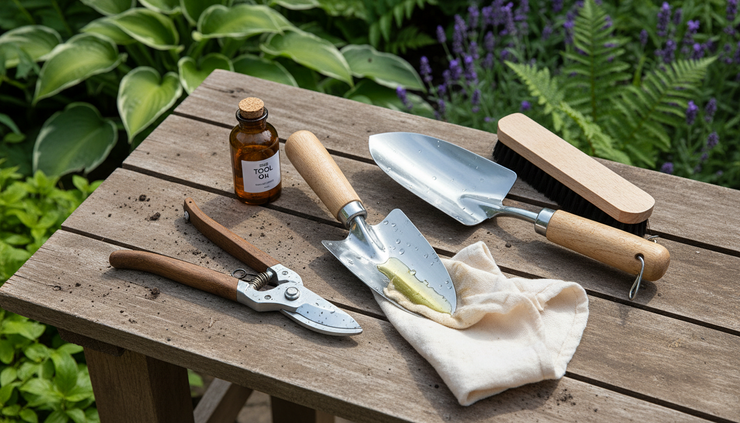
A simple cleaning habit goes a long way:
Knock off soil after each use.
Wipe sap from blades before it hardens.
Dry tools before storing them.
Add a light coat of oil to metal parts.
Store tools off the ground if possible.
For pruners and loppers, a drop of oil at the pivot can make a big difference. If the tool still feels stiff after cleaning and oiling, the blade may be bent, the nut may be too tight, or the edge may need real sharpening.
Sharpen before the job feels miserable
A lot of people wait until a tool barely works before doing anything about it. That’s like waiting until your kitchen knife can’t cut a tomato before sharpening it.
A better rhythm is to sharpen before big seasonal jobs. In Central Florida, that might mean checking tools before spring growth takes off, before hurricane-season cleanup, or before a weekend of trimming palms, shrubs, and hedges.
Here’s a simple rule: if the job makes you think, “Why is this so hard?” stop and check the tool.
Don’t push through with extra force. That’s when hands get sore, cuts get sloppy, and tools get damaged. A dull pruner can torque out of alignment. A dull mower blade can leave grass stressed and ragged. A dull shovel can make a small planting job feel like digging a trench.
Keeping tools sharp is not about perfection. It’s about making regular yard work easier on your hands, your back, and your plants.
Bring it by and get back to easier yard work
If your pruners are crushing instead of cutting, your loppers are fighting every branch, or your shovel feels like it’s bouncing off the soil, don’t assume the yard is winning.
Bring it by.
A proper sharpening can bring an old favorite back to life, and it’s usually a lot cheaper than replacing a tool that still has years left in it. Even better, once you feel the difference, you’ll notice right away when an edge starts to fade again.

Yard work doesn’t have to feel like a fight. Sometimes the smartest thing you can do is pause, sharpen the edge, and let the tool do its job again.
Keep your tools sharp, and you’ll work smarter every time you step into the garden.


Comments